The Joy of Returning to Original Hardware
After years of indulging in the convenience of emulation, I recently pulled out my old Nintendo 64, dusted it off, and connected it to my TV. The moment I powered it on, nostalgia washed over me like a wave. The familiar startup chime echoed through my living room, and I felt a rush of excitement that I hadn’t experienced in ages. While emulation has its merits, nothing quite matches the sensation of playing on original hardware.
The Difference in Experience
There’s something inherently different about playing retro games on their original consoles. The graphics may not be as sharp as modern titles, but the charm of pixelated sprites and chiptune soundtracks creates a unique atmosphere that’s hard to replicate. Each console has its quirks — the way the controllers fit in your hands, the sounds they make, and the feel of the buttons beneath your fingers all contribute to an experience that is deeply tied to the hardware itself.
Controllers, Input Latency, and Display Characteristics
When it comes to gaming, the controller often serves as the primary interface between the player and the game world. After switching back to the Nintendo 64, I was reminded of just how different the experience is with the original controllers. The tactile feedback of the joystick, especially when it’s well-maintained, adds a layer of immersion. Unlike many third-party options, the original N64 controllers offer a unique blend of comfort and precision.
However, it’s not just the controller that matters; input latency plays a crucial role in how a game feels. Emulators can introduce lag that disrupts timing, especially in fast-paced games. I remember struggling with platformers on an emulator, only to find that my skills returned immediately when I switched back to the N64. It’s a subtle but significant difference that can affect gameplay.
Display Characteristics
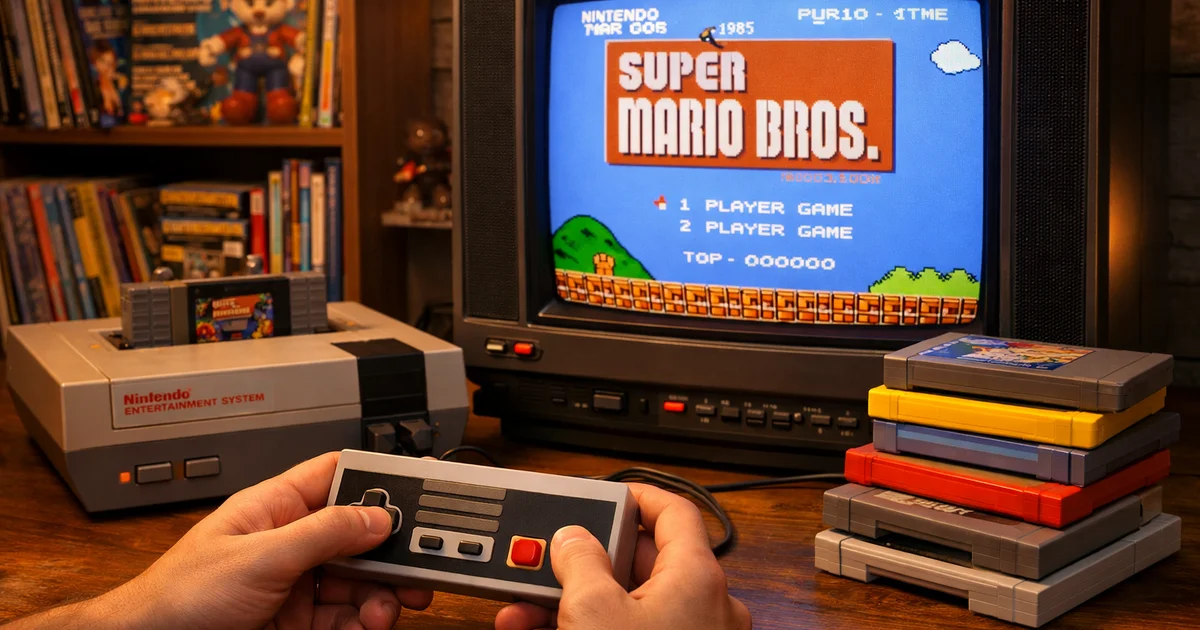
The display characteristics of original consoles also contribute to the overall experience. When I connected my N64 to a CRT TV, the image had a certain warmth and vibrancy that’s often missing in modern displays. The scanlines, the slight blur, the way colors blend together — it all creates an ambiance that enhances the nostalgic feeling.
The Importance of Physical Cartridges and Discs
One of the most compelling aspects of original hardware is the physicality of cartridges and discs. Holding a game in your hands, feeling its weight, and inserting it into the console creates a tangible connection to the past. Each cartridge has its own story; I can still recall the thrill of opening a new game for the first time, the smell of the plastic, and the anticipation of what adventures lay ahead.
Emotional Connection to Authentic Hardware
Playing games on original hardware also taps into an emotional wellspring. For many of us, these consoles are not just machines; they are portals to our childhoods. I remember spending countless hours with friends, battling in Mario Kart or teaming up in GoldenEye. Those memories are interwoven with the consoles themselves. It’s hard to feel that same connection with an emulator, despite how technically impressive it may be.
Emulation: When It’s Better and More Practical
That said, emulation isn’t without its advantages. It provides accessibility to games that are otherwise difficult to find or expensive to purchase. For newcomers to retro gaming or those with limited budgets, emulators can offer a way to experience classic titles without breaking the bank. Furthermore, emulators often come with features like save states and rewind functions, which can enhance the gameplay experience, especially for those who may find classic games frustratingly difficult.
The Strengths and Weaknesses of Both Approaches
Both original hardware and emulation have their strengths and weaknesses. Original hardware offers authenticity, nostalgia, and a connection to gaming history. However, it can also be costly and less convenient, especially when it comes to maintenance and finding working parts. On the other hand, emulation is often more accessible and user-friendly but lacks the tactile and emotional experiences that come with original consoles.
Advice for Newcomers to the Retro Gaming Hobby
If you’re new to retro gaming, my advice is to explore both worlds. Start with emulation to get a feel for the games and the genres you enjoy. Once you’ve identified your favorites, consider investing in original hardware. Systems like the NES, SNES, and Sega Genesis have stood the test of time and are often available at reasonable prices. The emotional rewards of playing on original consoles are well worth the investment.
Suggested Systems to Explore
- Nintendo Entertainment System (NES): The birthplace of countless classics. The feel of the NES controller is iconic.
- Super Nintendo (SNES): Known for its unforgettable titles and the introduction of modes 7 graphics.
- Sega Genesis / Mega Drive: The home of many beloved franchises, with a unique controller feel.
- Nintendo 64: For its 3D gaming revolution and multiplayer fun.
- PlayStation 1: The start of 3D gaming for many, with a library that changed the industry.
Conclusion: The Unmatched Experience of Original Hardware
In conclusion, while emulation technology continues to improve, it’s clear that original hardware offers an experience that is difficult to fully reproduce. From the physicality of the consoles to the emotional connections we have with the games, there’s an irreplaceable charm to playing on the systems that defined our childhoods. Whether you choose to embrace the convenience of emulation or the authenticity of original hardware, the most important thing is to enjoy the games and the stories they tell.
Comments
Join the discussion — your nickname is saved in this browser.
what? both have their place! it’s not a fight!
emulation is a fad, nothing beats the real thing
whoever thought emulation was 'better' clearly missed the point.