The First Time Discovering That the Movement Matters More Than the Brand Name
I still remember the first time I truly understood that the movement inside a watch could matter more than the brand emblazoned on the dial. It was a well-known Swiss brand that commanded a hefty price tag, yet when I cracked it open out of curiosity, I found a movement that was surprisingly common. This ignited a passion for understanding the intricate world of watch movements, and it became clear that many enthusiasts share this sentiment. The soul of a watch lies in its mechanics.
What a Mechanical Movement Actually Does
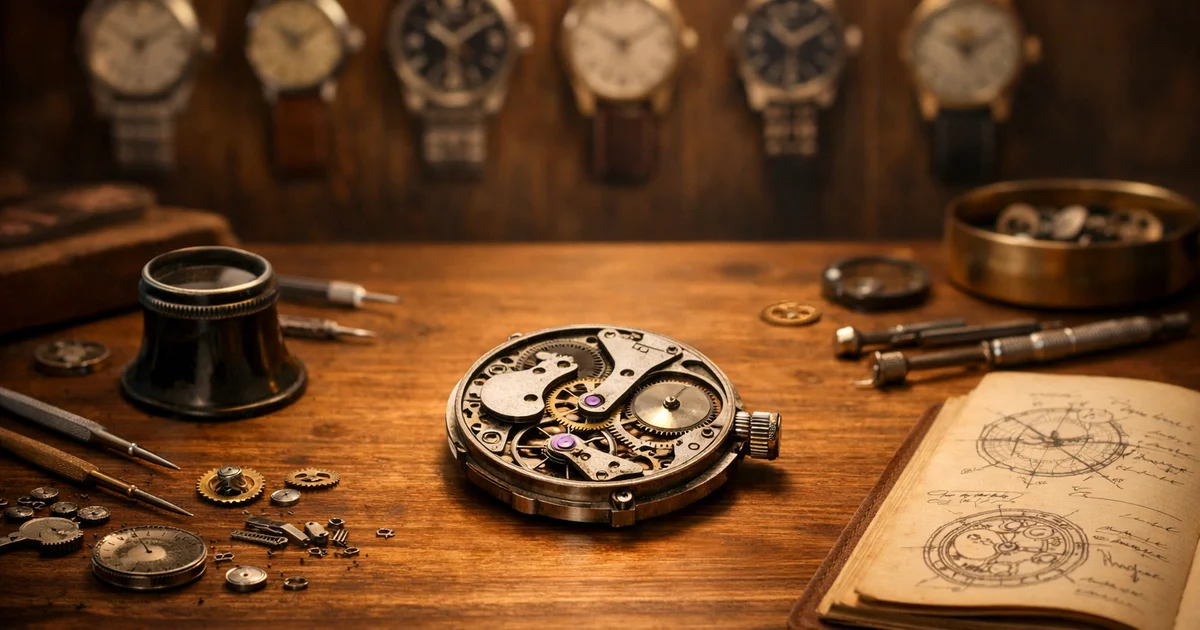
At its core, a mechanical movement is a marvel of engineering. It utilizes a series of gears and springs to keep time, relying on the energy stored in a wound mainspring. Unlike quartz movements, which depend on batteries and electronic circuits, mechanical movements are driven by pure mechanics. This craftsmanship is what makes them so appealing; each component is meticulously designed to work in harmony.
Why Enthusiasts Pay Attention to Movements
For watch enthusiasts, the movement is the heart of the timepiece. It’s where the artistry of horology shines, showcasing the skills of watchmakers who have dedicated their lives to perfecting these tiny machines. When I look at a watch, I often find myself drawn to the movement's reliability, accuracy, and the heritage behind it. A well-crafted movement can elevate a watch from mere accessory to a cherished piece of art.
Affordable Movements That Earned Strong Reputations Over Time
Several affordable mechanical movements have gained a reputation for their reliability and performance. Let’s delve into a few of them:
Seiko 4R36
The Seiko 4R36 is a robust automatic movement that has become a favorite among collectors and enthusiasts alike. Known for its durability and accuracy, this movement features a hacking mechanism, allowing wearers to set the time precisely. I appreciate how Seiko has managed to keep the price point accessible, making it a go-to choice for many new collectors.
The 4R36 also offers a 40-hour power reserve, which is impressive for an entry-level movement. It’s commonly found in Seiko's 5 series, providing a solid foundation for those just starting their collection.
Seiko NH35
Similar to the 4R36, the Seiko NH35 is another popular choice, particularly among microbrands and independent watchmakers. This movement is essentially a clone of the 4R35, offering a no-date option that appeals to minimalist designs.
The NH35 is known for its reliability and is often praised for its ease of service. For those who enjoy tinkering with their watches, the NH35 is an excellent option due to its widespread availability of parts.
Miyota 9015
Moving on to Japanese movements, the Miyota 9015 is another standout. It’s regarded for its thin profile, making it ideal for those who prefer a sleeker watch design. The 9015 features a 42-hour power reserve and operates at a frequency of 28,800 vibrations per hour, ensuring precision timekeeping.
In my experience, Miyota movements are often found in a variety of casual and dress watches, and their reputation for reliability makes them a favorite among watchmakers looking to create affordable timepieces without compromising quality.
ETA 2824
The ETA 2824 is often regarded as the workhorse of Swiss movements. While it can be found in higher-end watches, it’s still accessible enough for many enthusiasts. This automatic movement is known for its robustness and versatility, fitting a variety of watch styles from divers to dress watches.
What I find fascinating about the 2824 is its modular design, allowing for easy servicing and repair. This movement has truly stood the test of time, making it a staple in the watch community.
Sellita SW200
Closely related to the ETA 2824, the Sellita SW200 is a Swiss-made movement that has gained traction as a reliable alternative. It offers many of the same features as the ETA 2824, including a hacking function and a 38-hour power reserve. Many brands have turned to Sellita for its reliability and performance, ensuring that the quality remains high without the elevated price tag.
Reliability, Serviceability, and Long-Term Ownership
When selecting a watch, the reliability of its movement plays a crucial role in long-term ownership. I have encountered numerous instances where a watch, despite its appealing design, fell short due to an unreliable movement. This is why I always suggest considering the movement quality when making a purchase, as it directly impacts the watch's lifespan and serviceability.
Japanese Versus Swiss Entry-Level Movements
The debate between Japanese and Swiss movements is a classic one among watch enthusiasts. Japanese movements, like those from Seiko and Miyota, are often praised for their reliability and affordability. In contrast, Swiss movements, such as the ETA and Sellita, carry a legacy of craftsmanship and precision.
Personally, I appreciate both for what they bring to the table. Japanese movements often offer more value for the price, while Swiss movements provide an added layer of prestige. It ultimately comes down to personal preference and what you value in your collection.
Common Misconceptions Among New Collectors
As a newcomer to watch collecting, it's easy to fall victim to misconceptions about what makes a watch valuable. One common belief is that the price tag is a direct indicator of quality. However, I have learned that many affordable watches with reputable movements can outshine pricier counterparts in terms of performance and durability.
Another misconception is that all mechanical movements require constant winding. While manual watches do require winding, many automatic movements, such as the ones we've discussed, self-wind with wrist movement. This is often a pleasant surprise for new collectors, as they can enjoy the benefits of mechanical timekeeping without the hassle of manual winding.
Advice for Choosing a Watch Based on Movement Quality Rather Than Marketing
When it comes to selecting a watch, I always advocate for prioritizing movement quality over marketing hype. Examine the movement inside the case; research its specifications and reliability. A less well-known brand can offer superb movements that rival those of more established names.
Always consider your lifestyle and how you plan to use the watch. For instance, if you’re looking for a daily wear watch that can withstand some rough handling, a model with a Seiko 4R36 or Miyota 9015 would be ideal.
Conclusion
Great watch collecting starts with understanding the mechanics inside the case. By focusing on the movement, we can appreciate not just the timepiece itself but the artistry and engineering that goes into creating it. Whether it's a Seiko, Citizen, or Orient, these affordable movements tell a story of craftsmanship that transcends the superficial allure of brand names. As you venture into the world of watches, remember that the true value lies in the heart of the watch — the movement that keeps it ticking.
Comments
Join the discussion — your nickname is saved in this browser.
Anyone know if Seiko’s worth getting if I only want it for the looks?
I scrubbed a quartz last week, now I’m thinking of going mechanical!
If I’m spending more than $100, it better come with a surprise party.