The Charm Of Manual Winding
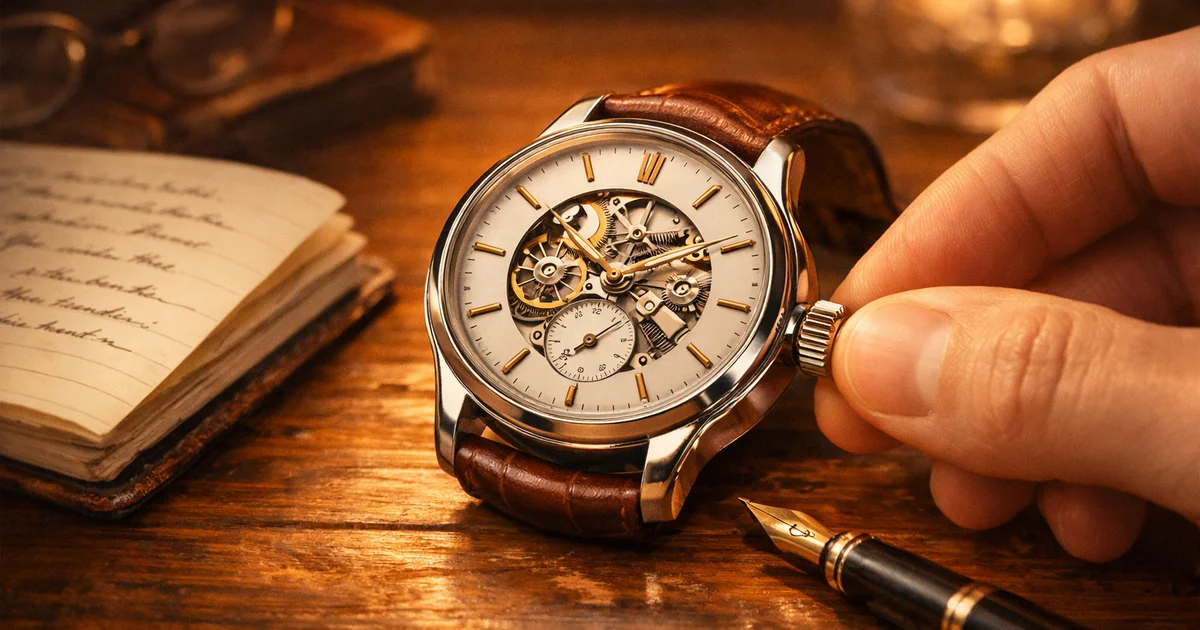
Manual winding watches are not just timepieces; they are a gateway to a world of mechanical artistry and personal connection. Join me as I explore the allure of these remarkable instruments.
Manual winding watches are not just timepieces; they are a gateway to a world of mechanical artistry and personal connection. Join me as I explore the allure of these remarkable instruments.
I still remember the first time I wound my very own manual watch. It was a Seagull 1963, a vintage piece that immediately captured my heart with its simple elegance. Its mechanical movement was mesmerizing, and the act of winding it each morning quickly became a cherished ritual. The tactile sensation of the crown turning, the gentle resistance, and the soft click as it engaged the movement was a connection to the watchmaker's craftsmanship.
In a world dominated by automatic and quartz movements, hand-wound watches maintain a unique appeal. For many enthusiasts, these watches are not just about telling time; they represent a deeper appreciation for mechanical artistry. The manual winding process requires a commitment, fostering a relationship between the wearer and the watch that automatic movements often lack. Each winding session is a reminder of the watch's intricate mechanics and a moment of mindfulness in our otherwise busy lives.
Winding my watch every morning has become a meditative ritual. It’s a moment to pause, reflect, and appreciate the craftsmanship that went into creating such a precise machine. I usually take a few moments to inspect the watch — the gleam of the polished case, the clarity of the dial, and the smooth motion of the hands. This daily interaction brings a sense of ownership and pride, something that I find deeply fulfilling.
Manual movements are often lauded for their mechanical simplicity. Unlike automatic watches, which rely on the wearer's motion to wind the mainspring, hand-wound movements operate purely on the energy provided by the user. This simplicity makes them more accessible for those interested in understanding horology. The fewer moving parts also mean that there is less that can go wrong, which can be reassuring for collectors and enthusiasts alike.
The primary difference between manual and automatic watches lies in their winding mechanism. Automatic watches wind themselves as the wearer moves, utilizing a rotor that spins with wrist movement. In contrast, manual watches require the wearer to actively wind the crown to store energy in the mainspring. This distinction creates varying experiences: the automatic watch offers convenience, while the manual watch provides a more intimate connection.
Throughout history, many iconic watches have featured manual movements. One notable example is the NOMOS Tangente 35, renowned for its minimalist design and finely crafted manual caliber. Its small seconds feature is a nod to traditional watchmaking, and its precision is a testament to the brand's commitment to quality.
See store for price
Another standout is the vintage Omega Genève, with its Cal. 635 movement. This watch not only exemplifies Swiss craftsmanship but also embodies the elegance of 1970s design. Wearing such a piece is like holding a piece of history on your wrist.
See store for price
Despite their charm, manual-wind watches are often misunderstood. A prevalent misconception is that they require constant winding. In reality, a well-maintained manual watch can hold power for at least 40 hours, depending on the movement. Another myth is that manual watches are less reliable than their automatic counterparts. However, with proper care, a manual watch can be just as dependable and long-lasting.
The act of winding a watch transcends mere functionality; it creates an emotional bond. Each turn of the crown is an opportunity to reflect on the stories behind the watch, the people who crafted it, and the moments it has witnessed. For me, winding my Seagull 1963 each morning is a reminder of my journey into watch collecting and the connections I’ve forged with fellow enthusiasts.
If you're considering your first manual-wind watch, I recommend starting with something that resonates with you personally. Look for brands that have a reputation for quality and craftsmanship, such as Seagull or Hamilton. The Hamilton Khaki Field is a great choice, with its rugged design and reliable movement. It represents a blend of modern aesthetics and traditional watchmaking.
See store for price
When selecting a watch, pay attention to its condition and history. Vintage pieces often carry stories that can enhance your connection to them. Don’t hesitate to ask questions about service records or previous ownership. This information can add depth to your understanding of the watch and its journey.
In conclusion, the charm of manual winding lies in the connection it fosters between the wearer and their timepiece. Each winding session is a moment to embrace the intricate mechanics, appreciate the craftsmanship, and reflect on the history that each watch carries. As you embark on your journey into the world of manual-wind watches, embrace the ritual, and you may find that winding your watch becomes one of the most enjoyable parts of ownership. Celebrate the simplicity and elegance of these mechanical marvels, and let them tell their stories on your wrist.
Comments
Join the discussion — your nickname is saved in this browser.
my grandpa had this old manual watch and it still works perfectly!
winding watches is like a workout for your wrist 😂💪
manual watches are way cooler and actually real pieces of art.