The Photos That Would Never Have Existed
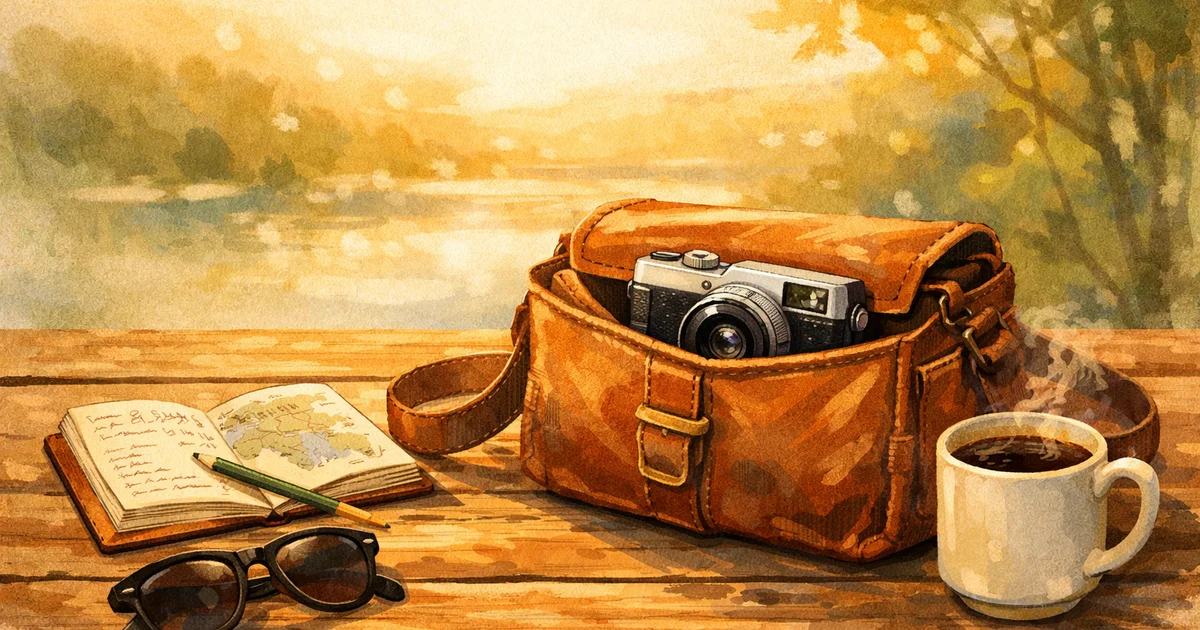
As I reflect on my journey as a photographer, I'm often reminded of the countless moments that turned into cherished photographs, all because I had a camera close at hand. Whether it was a fleeting moment during a family gathering or a candid street shot, each photograph tells a story. These are the images that might have never been captured if I had left my gear at home, proving that the best camera is not necessarily the most expensive or the latest model, but the one you are willing to carry.
Why Photographers Often Overestimate the Importance of Equipment
In the photography world, there’s a pervasive belief that having the latest gear will elevate your work. I’ve fallen into this trap myself, believing that a new camera or lens would somehow improve my photography. However, I’ve come to realize that the magic often lies in the act of taking the photograph, not in the specifications of the equipment. It’s easy to overestimate the importance of gear; what truly matters is your ability to see and capture the world around you.
The Difference Between Owning a Camera and Carrying One
Owning a camera feels good; it’s a badge of honor for many. But the real game changer is carrying it. I’ve learned that the more I carry my camera, the more opportunities I create for spontaneous photography. The act of always having a camera ready leads to unexpected moments being captured, which often turn out to be the most meaningful.
Small Cameras Versus Large Camera Systems
The debate between small cameras and larger systems is ongoing among photographers. I’ve found that compact cameras often win in terms of convenience. For instance, the Ricoh GR Digital III is a superb option for street photography. Its compact size allows for easy portability, and it’s equipped with features like Bluetooth and 1080p HD video recording, making it a versatile choice for everyday carry.
Whether you’re sneaking through a bustling market or wandering through quiet streets, the GR Digital III is unobtrusive enough to capture genuine moments without drawing too much attention.
On the other hand, larger systems can offer more versatility in terms of lens options and image quality. The Fujifilm X100V, for example, combines a compact design with the capabilities of an APS-C sensor, making it an excellent tool for both street and travel photography. With a maximum aperture of f/2 and a digital zoom, it’s perfect for low-light situations and capturing fast-moving subjects. The beauty of the X100V is that it encourages you to be deliberate in your composition while still being portable enough to take anywhere.
Convenience, Habit, and Everyday Photography
Developing a habit of carrying a camera is key to improving your photography. It’s about making the camera a part of your everyday life. I recall a time when I decided to bring my camera on a simple walk. What started as a mundane stroll turned into a treasure trove of images—from the golden hour light filtering through the trees to spontaneous interactions with fellow walkers. The convenience of having my camera transformed an ordinary moment into an extraordinary experience.
Missed Opportunities Caused by Leaving Gear at Home
Every photographer has stories of missed opportunities. I remember a vibrant street fair where I had left my camera at home, thinking I would just enjoy the experience. I missed capturing the colorful stalls, the laughter of children, and the warmth of the community. These missed moments can be disheartening, but they also serve as a reminder of the importance of always being prepared to shoot.
Building a Camera Kit Around Real Life Rather Than Ideal Scenarios
When assembling a camera kit, it’s essential to consider your lifestyle and the types of photography you enjoy. For me, this means prioritizing lightweight and versatile options. The Sony A6700, with its interchangeable lenses and compact design, fits perfectly into my travel photography plans. It allows me to adapt to various situations, whether I’m shooting landscapes or portraits, without being burdened by heavy gear.
The Role of Smartphones in Modern Photography
In today’s world, smartphones have become powerful tools for photography. They are often the cameras that people have on them at all times. While they may not replace dedicated cameras, smartphones have made photography accessible to everyone. I often find myself using my smartphone for quick shots or when I want to capture something without the bulk of my larger gear. The convenience of having a camera in your pocket can lead to unexpected and delightful photographs.
Advice for Photographers Trying to Shoot More Consistently
If you’re looking to improve your photography consistency, here are a few tips:
- Carry Your Camera: Make it a habit to always have your camera with you, whether it’s a compact or smartphone.
- Set Aside Time: Dedicate specific times during the week for photography, whether it’s a walk around your neighborhood or a day trip.
- Experiment: Don’t be afraid to try different styles and subjects. The more you shoot, the more you learn.
- Review Your Work: Take time to look over your photos regularly to understand what works and what doesn’t.
Conclusion: The Most Valuable Camera
The most valuable camera is often the one that’s present when life happens. It’s about being ready to capture the moments that matter, whether they’re grand adventures or quiet everyday occurrences. As photographers, we should focus less on what gear we have and more on how we can use the tools at our disposal to tell our stories. Remember, great photographs are created by people, not equipment. So, keep your camera close, stay curious, and let the world unfold before your lens.
Comments
Join the discussion — your nickname is saved in this browser.
I miss my pocket camera :'(
love this! I got my first real camera last month, feeling all pro!
the best camera is the one that captures my soul, no kidding.