Tube Amps And The Reality Behind Them
As I sit in my listening room, surrounded by an assortment of audio gear, I can’t help but reflect on my first encounter with a tube amplifier. It was a moment that transformed my understanding of sound reproduction. I was a curious teenager, armed with nothing but a cheap pair of headphones and a love for music. At a friend's house, I was introduced to a vintage tube amp paired with a set of classic speakers, and the experience was nothing short of magical. Suddenly, the music felt alive; it was as if I could reach out and touch the notes. This initial experience left an indelible mark on my audiophile journey, igniting a passion for exploring the nuances of sound.
Why Tube Amps Have Such a Strong Reputation
Tube amplifiers, often regarded as the holy grail of audio equipment, have earned a reputation that transcends mere nostalgia. Many audiophiles swear by their warmth and richness, qualities that can be attributed to the way tubes amplify sound. Unlike their solid-state counterparts, tube amps tend to produce a more harmonically pleasing distortion, which can enhance the listening experience. This unique sound signature has drawn many enthusiasts towards tube amplification, creating a loyal following.
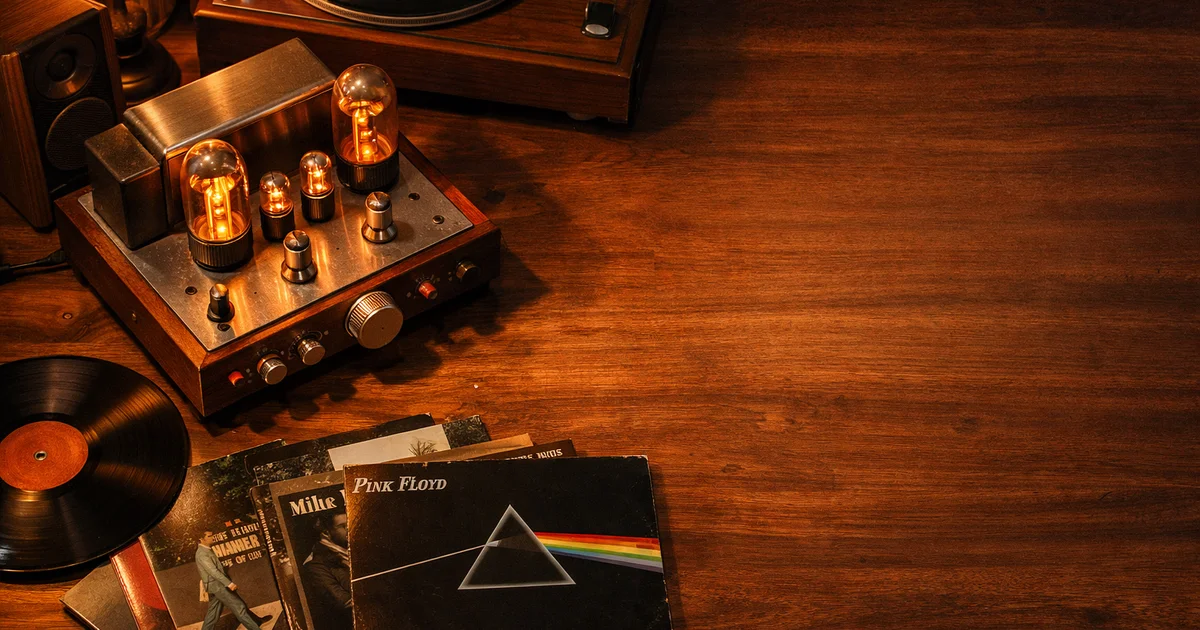
But it’s not just about sound. The aesthetics of tube amplifiers—those glowing vacuum tubes—bring a certain charm and character to any audio setup. There's a tactile, almost ritualistic experience in powering on a tube amp and watching those tubes warm up, preparing to deliver music in a way that feels both intimate and engaging.
Expectations Versus Reality
Despite the allure, the reality of owning a tube amplifier is often more complex than anticipated. Many new enthusiasts envision a seamless experience, only to find that tube amps require a different approach to sound management. The warmth and depth they provide are enticing, but they come with some practical realities. For instance, tube amplifiers can be sensitive to speaker matching and may not perform well with every speaker type. This delicate balance requires careful consideration and sometimes a bit of trial and error.
I remember the first time I paired a vintage Dynaco ST-70 with a set of bookshelf speakers. The sound was enchanting, yet there were moments when the system didn’t gel perfectly. I learned quickly that while tube amps can elevate the listening experience, finding the right speaker match is crucial for achieving the desired sound.
Common Myths About Tube Sound
A common misconception is that tube amplifiers are synonymous with a “warm” sound. While it’s true that many tube amps add a certain richness to the audio, not all tube amps sound the same. The reality is that each amplifier has its own character, influenced by its design, components, and even the tubes used.
Moreover, some believe that tube amplifiers are inherently superior to solid-state models. This isn’t necessarily the case; both types have their strengths and weaknesses. It’s essential to listen and understand what you value in sound reproduction, rather than being swayed solely by brand reputation or the allure of tubes.
The Strengths and Weaknesses of Tube Amplification
Strengths
- Sound Quality: Many listeners appreciate the organic sound signature of tube amplifiers, often described as lush and full-bodied.
- Harmonic Distortion: Tube amps tend to produce a more pleasant form of distortion, which can enhance the musical experience.
- Aesthetic Appeal: The visual allure of glowing tubes can elevate the entire audio setup, making it a centerpiece in any room.
Weaknesses
- Maintenance: Tube amplifiers require regular maintenance, including tube replacement. This can be a hassle for some users and may incur additional costs.
- Heat Generation: Tube amps can run hot, which might not be ideal for all listening environments.
- Weight and Size: Many tube amps are heavier and bulkier than their solid-state counterparts, making placement and transport more challenging.
Maintenance, Heat, and Tube Replacement
Owning a tube amplifier often comes with a steep learning curve regarding maintenance. I recall my first tube replacement; it was an eye-opening experience. I had to familiarize myself with the various types of tubes, their specific roles in amplification, and the importance of matching them correctly. Each type of tube can dramatically influence the sound, and understanding this is crucial for anyone venturing into the world of tube amps.
Heat is another consideration. Tube amplifiers can generate significant warmth during operation, which may not suit every environment. I’ve found that ensuring proper ventilation is essential to maintain the longevity of the tubes. Additionally, keep in mind that tube life can vary greatly depending on usage and how well they are matched within the system.
Matching Amplifiers with Speakers
Finding the right speaker to pair with a tube amplifier can be a rewarding yet challenging endeavor. Each amplifier has its own power output and impedance characteristics, which need to be accounted for when selecting speakers. For instance, my experience with the Yaqin MC-84L taught me the importance of speaker sensitivity. I paired it with some moderately sensitive speakers, and the result was a warm and engaging sound that beautifully complemented the amplifier's characteristics.
In general, look for speakers that are rated for lower wattage, as tube amplifiers often deliver their best sound when pushed to their limits. This doesn’t mean you can’t use them with higher-wattage speakers, but the sound may not be as harmonically rich as with more compatible options.
Situations Where Solid-State Amplifiers May Be the Better Choice
There are scenarios where solid-state amplifiers may outperform tube amps. For example, if you’re looking for high power output in a large room, solid-state options often deliver more consistent performance without the need for constant maintenance. I’ve encountered situations where solid-state amps provided clarity and punch that tube amps struggled to match, particularly in genres like rock or electronic music where dynamics play a crucial role.
Additionally, if you’re an individual who values convenience and low maintenance, solid-state amplifiers may be the better route. They tend to be more reliable over time, with no tubes to replace or worry about.
Advice for Enthusiasts Considering Their First Tube Amplifier
If you’re contemplating your first tube amplifier, here are a few pieces of advice based on my own experiences:
- Listen Before You Buy: If possible, listen to different tube amplifiers in person. Each model has a distinct sound that may resonate differently with you.
- Research: Understand the differences between various tube types and the impact they can have on your sound.
- Pairing is Key: Spend time considering which speakers will pair well with your chosen amplifier. The synergy between the two can make all the difference.
- Be Prepared for Maintenance: Embrace the maintenance aspect as part of the hobby. Regularly check and replace tubes as needed.
- Trust Your Ears: Ultimately, your personal preferences should guide your decisions. What sounds good to you may not align with audiophile norms, and that’s perfectly fine.
Conclusion
In the end, tube amplifiers are neither magic nor obsolete; they represent a unique approach to enjoying music. They invite us to engage with our audio systems on a more profound level, encouraging us to explore sound in ways that solid-state systems may not. While there are undeniable challenges that come with tube ownership—maintenance, heat, and matching with speakers—these hurdles can deepen our appreciation for music and the technology that delivers it.
As I continue to experiment with different amplifiers and setups, I find that the journey is just as rewarding as the destination. Whether you choose tubes or solid-state, the most important thing is to connect with the music that moves you.
Comments
Join the discussion — your nickname is saved in this browser.
tube amps sound great but they cost an arm and a leg!
anyone else think tube amps are just overrated nostalgia?
isn't there a point where too many tubes just means chaos?