Film Photography in 2026: A Journey Back to the Analog World
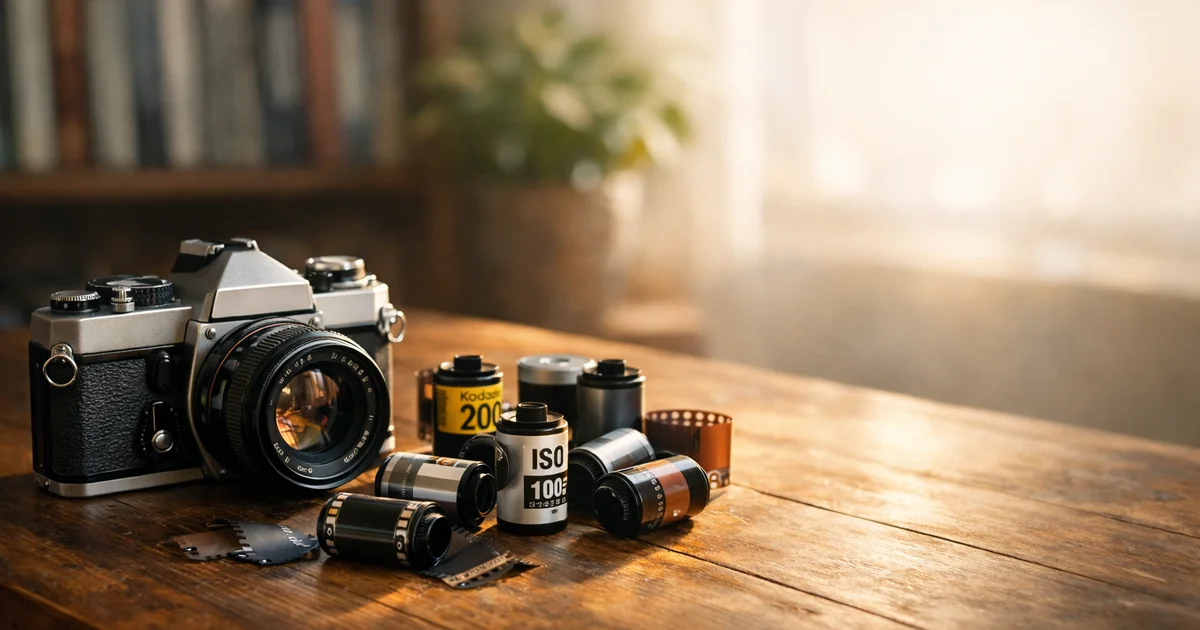
Returning to film photography after years of digital shooting was a revelation. In 2026, the allure of film continues to captivate both old and new photographers alike.
Returning to film photography after years of digital shooting was a revelation. In 2026, the allure of film continues to captivate both old and new photographers alike.
After spending years immersed in the world of digital photography, my return to film in 2026 felt like stepping into a time capsule. The tactile nature of film—loading the roll, hearing the click of the shutter, and the anticipation of developing the images—reminded me of why I fell in love with photography in the first place. There’s a certain magic in waiting to see the results, a stark contrast to the instant gratification that digital provides.
In a world dominated by pixels and screens, film photography continues to attract enthusiasts, and for good reason. It encourages a slower, more deliberate approach to capturing the world around us.
Film photography is not just a nostalgic pursuit; it’s a creative process that fosters patience and intention. In 2026, many photographers, including myself, embrace film for its unique aesthetic and the challenges it presents. The limited number of exposures forces us to think critically about composition and light. Each shot becomes a deliberate decision rather than a mindless click.
The slower pace of shooting with film has redefined my approach to photography. Unlike digital cameras, where I can snap hundreds of frames without a second thought, film demands attention. I find myself more engaged with my surroundings, waiting for the perfect moment to click the shutter. This thoughtful approach has enhanced my skills and deepened my appreciation for the craft.
Navigating the world of film stocks and cameras can be overwhelming, especially for newcomers. Here are some of my favorites that I've found to be incredibly rewarding:
The Canon AE-1 Program is an iconic 35mm SLR that combines ease of use with advanced features. It includes an auto exposure mode and a built-in light meter, making it accessible for beginners while still offering manual program modes for seasoned shooters. This camera is perfect for those who want to explore the fundamentals of photography without getting bogged down in technical jargon. The included 50mm f/1.8 lens is versatile and ideal for a variety of subjects, from portraits to street photography.
Canon
Excellent - Refurbished · Black
Black
See store for price
The Pentax K1000 is often recommended as a starter camera, and for good reason. Its straightforward design and manual focus allow photographers to learn the ropes without distractions. With a built-in light meter and the ability to shoot multiple exposures, this camera encourages experimentation. The K1000's 50mm lens is great for capturing everyday moments, making it a reliable companion for both casual outings and serious projects.
PENTAX
Excellent - Refurbished · Silver
Silver
See store for price
For those seeking a slightly more advanced option, the Nikon FM2 is a fantastic choice. With its robust build and manual focus capabilities, this camera is designed for those who want to take their photography to the next level. The built-in light meter and timer add functionality, while the 50mm f/2 lens delivers sharp, vibrant images. The FM2 has become one of my go-to cameras for both personal projects and professional work.
See store for price
When it comes to film stocks, the choice between color and black-and-white can significantly impact the final outcome. One of my favorites is Kodak Professional Portra 400. This color negative film is known for its fine grain and excellent color rendition, making it perfect for portraits and landscapes alike. If you’re looking to experiment with black-and-white photography, I highly recommend trying out Ilford HP5 Plus. Its classic aesthetic and wide exposure latitude are perfect for capturing dramatic scenes and street photography.
See store for price
One of the realities of shooting film is the cost associated with purchasing film, developing it, and scanning the negatives. Unlike digital, where the investment is primarily in the camera, film photography involves ongoing expenses. It’s important to factor in these costs when deciding to shoot film, as they can add up quickly. However, many find the investment worthwhile for the unique look and feel that film provides.
Shooting film teaches invaluable lessons about composition and patience. The limited number of exposures forces us to consider each frame carefully. I’ve found that I pay more attention to light, shadows, and framing because I know I can't just delete a bad shot. This intentionality has improved my overall photography skills and has led to more meaningful images.
Despite its resurgence, there are several misconceptions about film. Many believe it’s overly complicated or that it requires expensive gear. In reality, film photography can be quite accessible with the right tools and mindset. While high-end cameras exist, there are plenty of affordable options that deliver stunning results.
While film has its charm, there are situations where digital cameras remain superior. Fast-paced environments, such as sports events or wildlife photography, often require the rapid-fire capabilities of digital. The ability to instantly review shots and adjust settings on the fly can be crucial in these scenarios.
If you’re interested in trying film photography today, my advice is simple: start small. Choose a camera that fits your budget and comfort level, and don’t hesitate to experiment with different film stocks. Embrace the learning process—mistakes are part of the journey. Join a local photography group or online community to share your experiences and learn from others. Remember, the goal is to enjoy the process and capture moments that matter to you.
As we move further into the digital age, film photography remains a relevant and rewarding pursuit. Its unique characteristics encourage mindfulness, creativity, and artistic expression. Whether you’re revisiting film after years of digital shooting or exploring it for the first time, the lessons learned and the beauty captured through the lens of a film camera are timeless. In 2026 and beyond, let’s continue to celebrate the art of photography, one frame at a time.
Comments
Join the discussion — your nickname is saved in this browser.
I can’t believe people are still using point-and-shoots.
I shot a wedding on film and lost half the rolls. RIP.
just got my old Canon AE-1 out! it's such a classic.