Organizing A Tool Chest Properly: A Craftsman's Guide
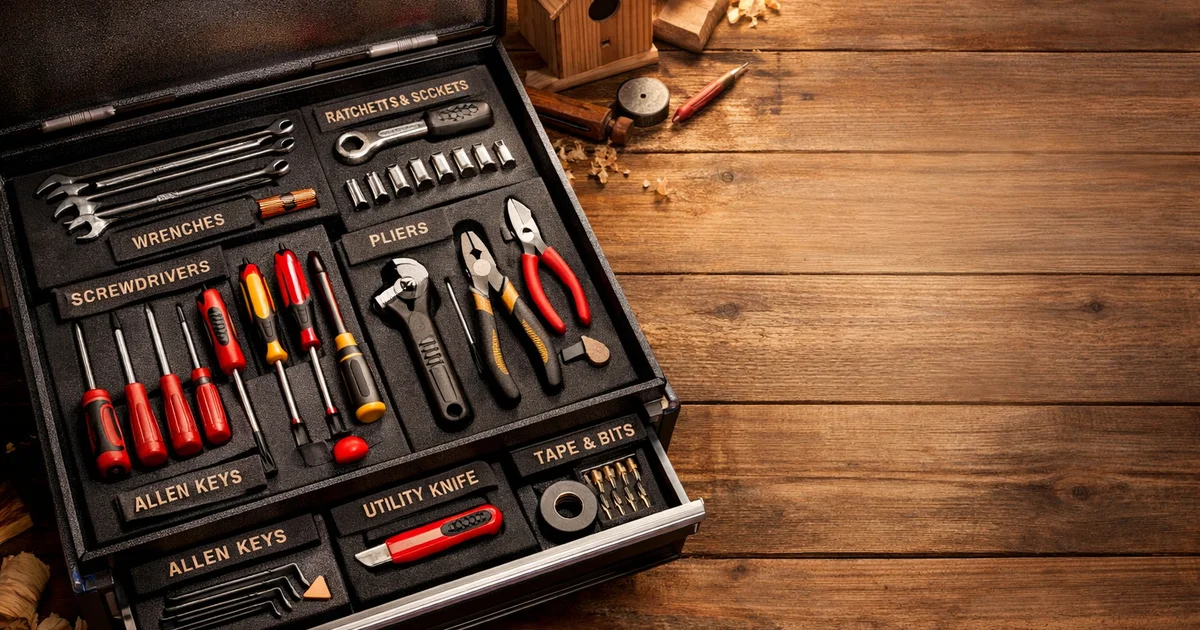
A well-organized tool chest is the backbone of any workshop. Join me as I share my journey of mastering tool organization, from early mistakes to practical solutions that enhance workflow.
A well-organized tool chest is the backbone of any workshop. Join me as I share my journey of mastering tool organization, from early mistakes to practical solutions that enhance workflow.
Every craftsman knows the frustration of wasting precious time searching for tools. When I first started out, my tool chest was a chaotic mix of hand tools, power tools, and accessories. I would spend far too long rummaging through drawers, often only to find that the tool I needed was buried beneath a pile of others. This chaos not only slowed down my projects but also sapped my enthusiasm for working in the shop.
Over the years, I've learned that a well-organized tool chest can improve workflow more than simply buying new tools. In this article, I’ll walk you through my journey of organizing my tool chest, sharing practical advice, personal stories, and the lessons I’ve learned from both my workshop and professional environments.
Like many beginners, I made a lot of mistakes when it came to organizing my tools. I often grouped items by type rather than by frequency of use, resulting in drawers that were difficult to navigate. For instance, I put all my wrenches in one drawer, but the ones I reached for most often were buried underneath the larger ones.
I also underestimated the importance of labeling. I thought I could remember where everything was, but as my collection grew, so did my forgetfulness. A simple label could have saved me a lot of time and frustration.
You might think that investing in new tools will speed up your work, but the reality is that a disorganized space can negate any time-saving benefits. A well-organized tool chest allows you to find what you need quickly, which means you can spend more time working and less time searching. I’ve found that the satisfaction of pulling out the right tool at the right time is far greater than the thrill of acquiring the latest gadget.
One of the first changes I made was to rethink my drawer layout. I realized that I needed to prioritize accessibility. Tools that I used frequently needed to be front and center, while less commonly used items could be stored further back.
I opted for a combination of drawer organizers and foam inserts, which help keep everything in its place. For instance, the US General Mini Tool Box Top Trays Tool Organizer is a fantastic solution for small parts and accessories, allowing me to keep screws, nuts, and bolts neatly separated and easily accessible.
See store for price
When organizing a tool chest, it’s crucial to distinguish between frequently used tools and specialty tools. I learned that my go-to tools, like my Ernst Mfg. 18" Socket Organizer, should be easily accessible, while specialty tools like my torque wrench could be stored in a less accessible drawer.
The Ernst Mfg. Socket Organizer not only keeps my sockets organized but also allows me to see exactly what I have at a glance. This has saved me countless hours searching for the right size during a project.
See store for price
Labeling has been a game changer for my organization system. I’ve started using clear labels on drawers and containers to identify their contents. This simple step has drastically reduced the time I spend searching for tools.
In addition to labels, I’ve found that foam inserts are incredibly helpful for maintaining organization. The Tool Box Shadow Foam Organizer fits perfectly in my Milwaukee Packout, providing a custom fit for my tools. This not only keeps things tidy but also protects the tools from damage.
Does not apply
New · Black with Red
Black with Red
Establishing an organization system is one thing, but maintaining it is another challenge altogether. I’ve learned that consistency is key. After each project, I make it a habit to return tools to their designated spots. I also perform regular audits of my tool chest to ensure everything is where it should be.
One of my go-to solutions for keeping small parts organized is the WORKPRO 4PC Collapsible Magnetic Parts Tray Set. These trays are perfect for holding screws and small components while I work, and the collapsible feature makes storage easy when I’m done.
Having spent time in various professional workshops, I’ve picked up several tips from seasoned tradespeople. One of the most valuable lessons I've learned is to invest in quality organization solutions that will last. Cheap plastic bins might seem appealing, but they often break or degrade over time.
Instead, I’ve opted for solutions that are built to withstand heavy use. Durable materials and thoughtful design can make all the difference in keeping your tools safe and organized.
Whether your workshop is a sprawling garage or a small corner of your basement, organization is crucial. Start by assessing your space and determining which tools are essential. From there, create a layout that prioritizes accessibility and efficiency.
Consider using vertical space for storage, such as pegboards or wall-mounted shelves. This can free up valuable drawer space for tools that need to be kept out of sight but still within reach.
In conclusion, a well-organized toolbox not only saves time but also reduces frustration and enhances every project. By investing time in properly organizing your tools, you’ll find that your workflow improves dramatically. The satisfaction of knowing exactly where each tool is can transform your workshop experience. Remember, organization isn’t just about aesthetics; it’s about creating a functional space that allows you to focus on what truly matters—craftsmanship and creativity.
See store for price
See store for price
Comments
Join the discussion — your nickname is saved in this browser.
who even cares about a proper tool chest? let's be real.
seriously, if I ever get my chest organized I’ll throw a party!
my biggest problem is not losing tools, but my partner getting annoyed at the clutter.